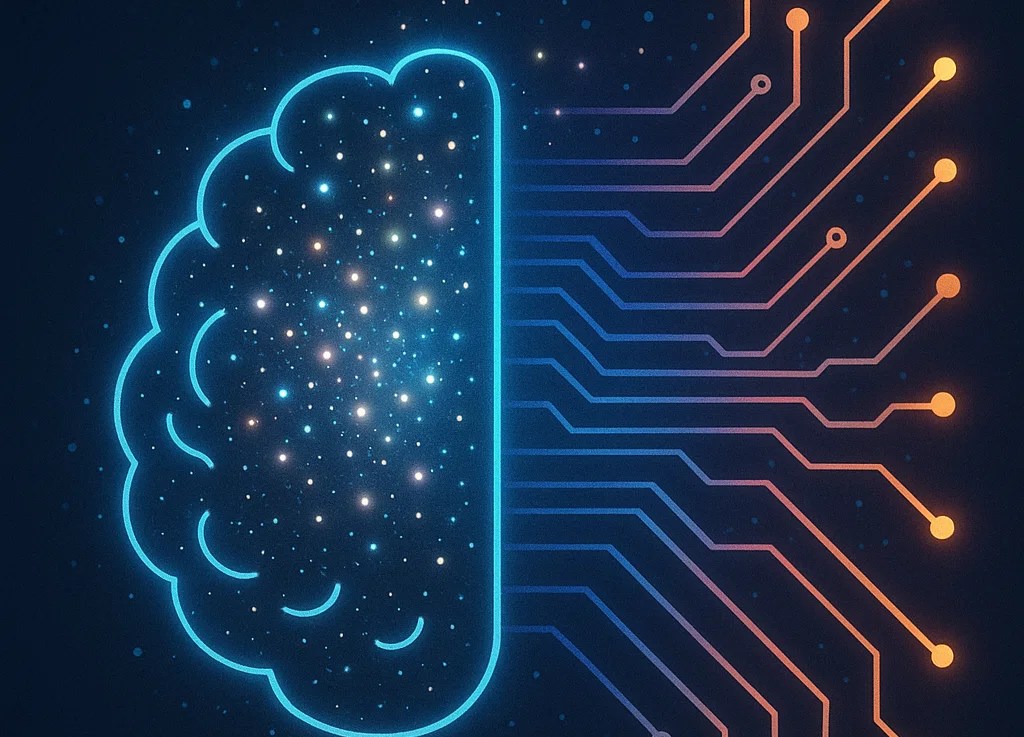
Technology has always shaped the human experience, but in recent years a new frontier has captured the imagination of scientists, entrepreneurs, and the public alike. That frontier is the brain computer interface, often called a BCI. A BCI is a system that allows a person’s brain signals to connect directly with a computer or device. The idea sounds like science fiction, yet companies such as Neuralink and academic labs around the world are already building and testing prototypes. Their vision is to create seamless communication between thought and machine, opening possibilities that range from restoring mobility to people with paralysis to enhancing the cognitive abilities of healthy individuals.
What Makes BCIs So Revolutionary
At the core of brain computer interfaces is the promise of changing how we interact with technology. For decades we have relied on keyboards, touchscreens, and voice commands. A BCI would bypass all of that. Imagine controlling a computer cursor or robotic arm simply by thinking about the movement. Early experiments have already shown success in this area. Patients with spinal cord injuries have been able to move robotic limbs or type messages on a screen using nothing more than their brain activity.
This is not just about convenience. For individuals who cannot speak, move, or use traditional devices, BCIs could mean a return of independence. A person who has lost the ability to communicate might once again hold a conversation. Someone with advanced ALS could continue to interact with loved ones and the world. The human impact of that level of restoration is hard to overstate.
But BCIs are not limited to medical recovery. Developers also see potential for enhancement. If we can send information out of the brain, could we also feed information in? Imagine learning a new language faster because your brain is linked to a system that guides memory formation. Consider the idea of expanding working memory by connecting with cloud-based storage, effectively blending natural and artificial intelligence. While these ideas remain speculative, they fuel both excitement and unease about where the technology may take us.
The Ethical Crossroads
With every leap in technology comes a set of questions about how it will be used. Brain computer interfaces are no different, and in fact they raise issues even more intimate than other innovations. The first and most obvious concern is privacy. If a device can read neural signals and translate them into actions or words, then the possibility of someone else accessing or misusing that data becomes very real. Thoughts are the most private part of human life. Losing control over them would challenge the very idea of personal freedom.
Who would own the data generated by a BCI? Would it belong to the individual, the company that built the interface, or the healthcare provider who manages the device? Regulations for medical devices and digital data exist, but combining the two in a single system pushes into uncharted territory. Without clear safeguards, there is a risk of corporations or governments gaining unprecedented access to the inner life of citizens.
Another concern involves manipulation. If information can be read from the brain, there is the possibility that information could also be written into it. Researchers already use electrical stimulation in certain treatments for depression and Parkinson’s disease. What happens when such stimulation becomes programmable in everyday consumer devices? The potential for influence, both beneficial and harmful, is staggering.
Inequality and the Risk of a Cognitive Divide
Beyond privacy, brain computer interfaces also raise questions about fairness and equality. These devices are likely to be expensive at first, available only to those with significant resources. If BCIs offer enhancements to memory, learning, or creativity, then access to them could create a new social divide. Some people might gain extraordinary advantages while others fall behind.
This is not unprecedented. History shows that new technologies often widen gaps before they narrow them. Early computers, cell phones, and even literacy itself were first limited to select groups. Over time, costs fell and access spread, but the period of inequality left lasting marks. If BCIs create a class of “superhumans,” even temporarily, the effects could ripple through education, employment, and social status for generations.
Consider a classroom where some students can absorb information more quickly because of neural enhancements. Or a workplace where certain employees can process data at speeds beyond natural human capacity. The competitive advantage could reshape entire industries and redefine what it means to succeed.
Building Ethical Guardrails
The good news is that these risks are not invisible. They can be anticipated, debated, and addressed before the technology becomes widespread. Ethical guidelines and regulations must be developed alongside the science. Just as society has set rules for genetic testing, medical devices, and data privacy, it must do the same for brain computer interfaces.
Some of the most urgent questions include:
Who owns the data generated by a BCI?
How will informed consent be handled when dealing with something as intimate as thoughts?
What protections will prevent outside entities from accessing or manipulating brain activity?
How will society ensure fair access so that BCIs do not simply amplify existing inequalities?
Answering these questions will require cooperation between scientists, ethicists, policymakers, and the public. Without broad discussion, the technology could move faster than the rules meant to guide it.
A Balanced View
It is important to remember that brain computer interfaces are not inherently good or bad. They are tools, and like all tools their value depends on how humans choose to use them. In medicine, BCIs may one day transform rehabilitation and give independence to millions of people. In education, they could expand learning and creativity. In communication, they may allow entirely new forms of human connection.
At the same time, without oversight they could threaten privacy, deepen inequality, and blur the line between human thought and machine influence. This dual nature makes the conversation urgent. Ignoring the risks is unwise, but so is ignoring the potential for good.
Looking Ahead
As research continues, it will be crucial for society to engage in open, thoughtful dialogue about the role of BCIs. Public understanding must grow alongside scientific progress. Too often technology races forward while ethical and legal frameworks lag behind. That gap is where harm can occur.
One possible future is a world where BCIs are common, safe, and affordable. People with disabilities live fuller lives, education becomes more accessible, and human creativity expands with new tools. Another possible future is one where BCIs become instruments of surveillance, control, and inequality. The choices made today will shape which of these paths we follow.
Conclusion
Brain computer interfaces represent one of the most profound frontiers in technology. They hold the potential to restore lost abilities, expand human knowledge, and change how we interact with machines and with one another. At the same time, they raise deep ethical and social questions that cannot be ignored.
The path forward will require balance: encouraging innovation while protecting human dignity. If we can achieve that balance, BCIs may enrich our lives without compromising the values that make us human. The conversation must continue, not only among scientists and entrepreneurs but across society as a whole.
 Innovate with Ai