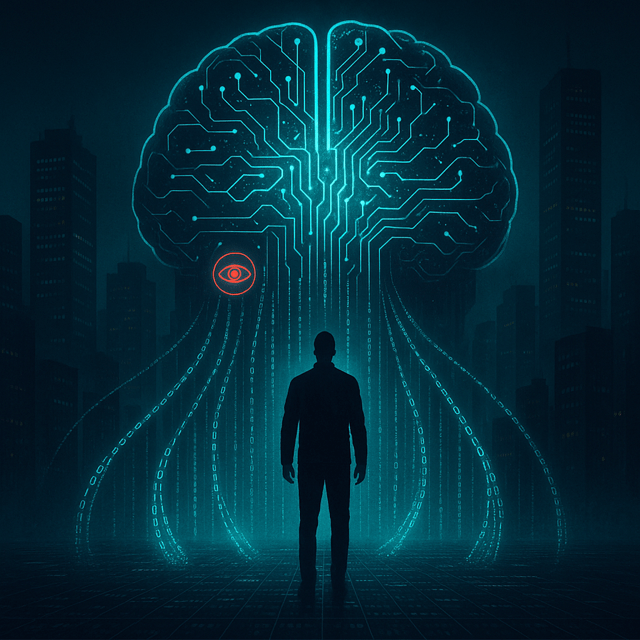
Artificial intelligence has rapidly become a behind-the-scenes engine powering our modern world. From predicting customer behavior in marketing to assisting doctors with diagnoses, it’s changing how decisions get made, often faster and more efficiently than before. But while the technology feels cutting-edge, it’s built on something deeply human: data. And data carries history. Sometimes that history is flawed, messy, or flat-out unfair. That’s where bias creeps in.
What AI Bias Really Means
When people talk about “AI bias,” they’re usually referring to hidden patterns in algorithms that lead to unfair outcomes. It’s not that machines are making decisions maliciously they’re simply reflecting the training data they’ve been fed.
Bias can enter a system in multiple ways:
Historical data: If past decisions were discriminatory, AI models may inherit and replicate those patterns. Lack of representation: When training data leaves out certain groups, the AI may underperform for them. Labeling errors: Human bias can show up in the way training data is annotated. And once it s baked in, that bias can show up subtly or alarmingly in everyday decisions.
Bias in the Hiring Process Hiring algorithms have become commonplace, especially in large organizations trying to streamline recruiting. These tools might scan résumés for keywords, score candidates on fit, or even analyze video interviews for behavioral cues. But what happens when the data these tools learn from reflects a company’s history of hiring mostly white, male candidates from elite universities? That bias doesn’t disappear it gets encoded.
Real Examples: Amazon s now-defunct hiring tool famously downgraded résumés that included the word women’s, such as in women s chess club, because it had learned that past hires were mostly male. Facial analysis tools used in video interviews have been shown to work less accurately on women and people of color. When tools like these are used to filter applicants, bias becomes an invisible gatekeeper one that reinforces existing inequalities without anyone noticing.
Healthcare: Where Bias Has Life-or-Death Consequences
In healthcare, the impact of AI bias can be even more severe. AI tools are increasingly used to predict disease risk, guide treatment recommendations, and prioritize patients for care. But if those tools are trained primarily on data from one demographic say, white middle-aged men they may underperform for others.
Example:
A widely cited algorithm used to predict which patients would benefit from extra medical care systematically underestimated the health needs of Black patients. It used healthcare spending as a proxy for need overlooking the fact that Black patients often spend less on healthcare due to systemic barriers. The result? Fewer resources allocated to patients who needed them most. It’s not enough for a model to be accurate overall it has to work equitably across groups.
Law Enforcement and Surveillance
Another area of concern is law enforcement, where facial recognition and predictive policing tools are being adopted rapidly often with little oversight. Studies have found that facial recognition systems are significantly less accurate at identifying people of color, particularly black women. The consequences range from false arrests to intrusive surveillance in already over-policed communities. Predictive policing systems, which aim to forecast where crimes are likely to occur, often reinforce patterns of over-policing. These systems rely on arrest data, which may reflect biased enforcement practices not actual crime rates. When tools built on flawed data are treated as objective or neutral, the risk isn’t just poor performance its institutionalizing inequality at scale.
Why Transparency and Diversity Matter
There’s no one-size-fits-all solution to AI bias. But several principles can help reduce its impact:
1. Transparent Development and Auditing Organizations should be upfront about the data they use. Explain how models are trained and evaluated. Conduct regular external audits before and after deployment.
2. Inclusive Teams and Perspectives Diverse teams are better at spotting blind spots in data and decisions. Include ethicists, social scientists, and people with lived experience.
3. Better Data Practices Bias often starts with poor data. That means: Collecting more representative datasets Thoughtful data cleaning and labeling Evaluating model performance across different demographic groups.
4. Clear Governance and Accountability Define who is responsible when AI systems fail or cause harm. Build accountability into every phase of development and deployment.
Policy Momentum: A Step in the Right Direction
Governments and regulators are starting to take notice. The EU’s AI Act proposes strict requirements for high-risk AI systems in hiring, healthcare, and law enforcement. In the U.S., the White House released a Blueprint for an AI Bill of Rights, outlining key principles for safe and fair use of AI. While these policies are still evolving, they signal a shift toward more oversight and public protection. Until regulation catches up, the burden remains on developers, companies, and institutions to use AI responsibly.
Why This Matters Now
AI is no longer a futuristic idea it’s already influencing who gets hired, who gets a loan, and who gets treated. That makes bias not just a technical issue but a moral one. If we ignore it, we risk baking old injustices into the foundation of our digital future. But if we confront it with better practices, inclusive thinking, and stronger oversight we can build systems that genuinely serve everyone. The technology is only part of the story. What matters is how we use it and who gets a say in shaping it.
TL;DR
AI systems can unintentionally reinforce bias when trained on flawed or incomplete data. Real-world consequences include unfair hiring, unequal healthcare, and discriminatory law enforcement. Solutions include inclusive teams, better data, transparency, and external audits. Regulation is coming, but organizations must lead by example now. Addressing AI bias isn’t about halting progress it’s about making it fair for everyone.
 Innovate with Ai