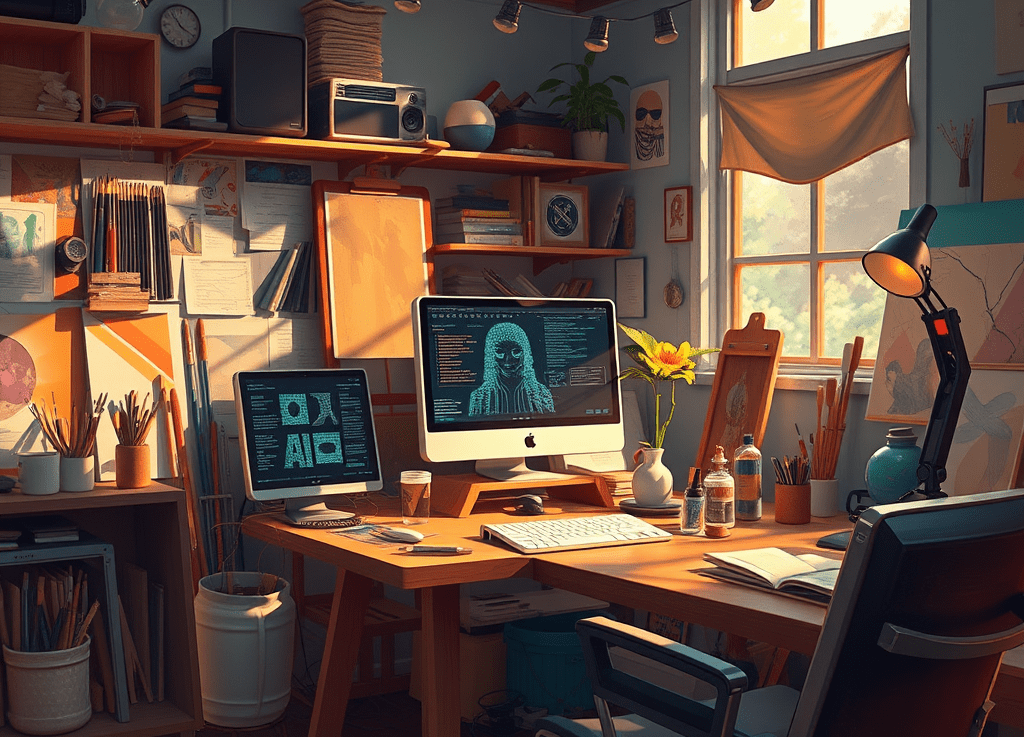
Creativity in the Age of AI
Technology is moving fast, and creativity isn’t lagging behind. Machine learning and artificial intelligence are popping up everywhere; showing up in studios, writer’s rooms, design labs. They aren’t just speeding things up; they’re actually making stuff. AI can write a song, spit out artwork from a few words, or whip up poetry in the voice of your favorite author. Ten years ago, nobody would’ve believed it. Now it’s just part of the landscape.
But big shifts always stir up big questions. There are plenty of artists worrying that they’re losing something. Can a machine ever nail the feeling of a sticky summer as a kid or the ache of heartbreak? There’s this nagging fear that art will get too smooth, too flawless. And, honestly, perfection isn’t what people connect with. It’s the rough edges that draw us in.
There are real-world worries, too. Jobs in illustration, writing, music and they’re all changing as AI steps in to do things that once took years to master. Underneath that anxiety is a bigger question: If machines can copy creativity this well, what does that say about us? Are humans just a bunch of patterns to crack, or is there something that sets us apart?
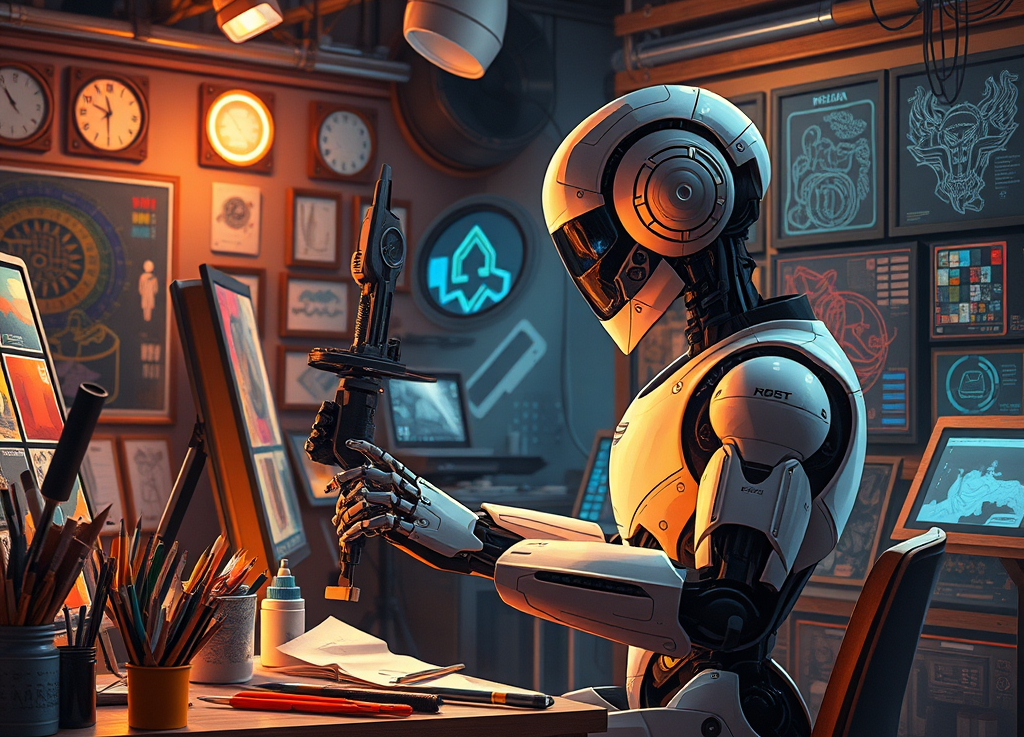
Not everyone’s spooked. Lots of creatives actually welcome AI as a partner. Imagine a tool that spits out a pile of logo ideas in seconds, drafts the bones of a script, or suggests a new chord when you’re stuck. That’s not replacement, it’s backup. In music, producers mix AI-made loops with live jams. In film, composers use AI to cook up sounds they’d never get to on their own. The results? Weird, new, and sometimes just plain cool.
This tug-of-war—fear on one side and excitement on the other, nothing new. When photography showed up in the 1800s, painters freaked out, sure their days were numbered. But all it did was free them to get wild. Can you say “Impressionism and Cubism.” AI could be that kind of spark now.
The trick is finding middle ground. AI’s a tool. It’s not the artist. Writers can use it to rough out a story, then dive in and make it real. Designers get to prototype fast, then shape things their own way. The canvas just gets bigger.
Still, it’s not all smooth sailing. There are thorny questions about ownership and copyright. If AI gets trained on thousands of artworks without anyone’s okay, who owns what it makes? And bias is a thing—most models lean Western, male, English-speaking. Without more voices in the mix, even “diverse” art risks coming out samey.
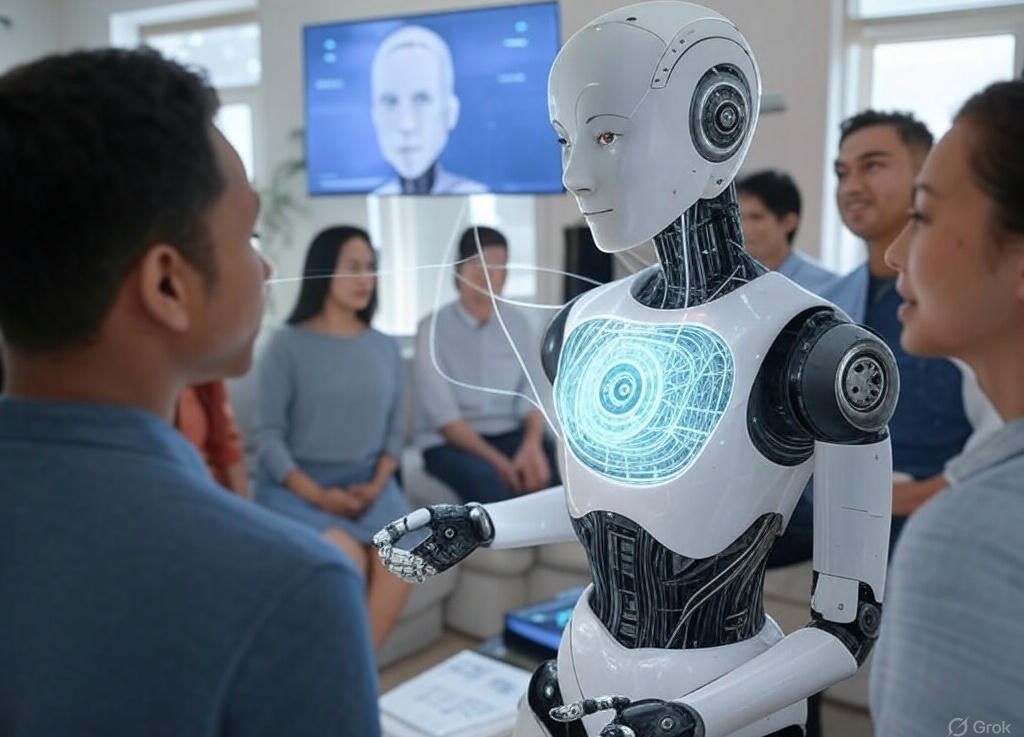
There’s hope, though. Writers who try AI in workshops start out wary, end up wowed. The AI brings structure, people bring the spark, humor, subtlety, feeling. One writer said it’s like jamming with a bandmate who never gets tired. That’s the kind of teamwork that opens doors.
Education is going to matter quite a bit. Art schools may start teaching how to work with AI; specifically how to prompt it, critique what it spits out, and decide when to follow it or toss its ideas. Online, people are already swapping tips, breaking writer’s block, making trippy landscapes with a few clicks.
Different fields are carving their own paths. Marketers use AI to sketch out campaigns in record time. Game designers are building worlds swarming with lifelike characters. Meanwhile, fine art and literature still lean into the human side. Creativity is never one-size-fits-all.
Looking ahead, the possibilities are huge. Art that changes with your heartbeat. Stories that shift with your mood. Music that grows and bends with the crowd’s vibe. This stuff isn’t sci-fi anymore—it’s on the horizon.
The future of creativity isn’t about machines taking over. It’s about curiosity, guts, and working together. AI stretches what we can imagine, but we’re the ones steering the ship. If we keep poking at the edges, messing around, and asking questions, we’ll make more art not less. Art that’s weirder, richer, and full of surprises.
That’s something worth getting excited about.
 Innovate with Ai